When to Build a Keyword List for a Display Network Campaign
By Hammad


Introduction
In the vast landscape of online advertising, launching a strong Display Network campaign begins with creating a well-crafted keyword list. This blog unpacks when to build that list, how it differs for display campaigns versus search, and how to manage the perplexity and burstiness of keywords to deliver real results.
1. Understanding Display Network Dynamics
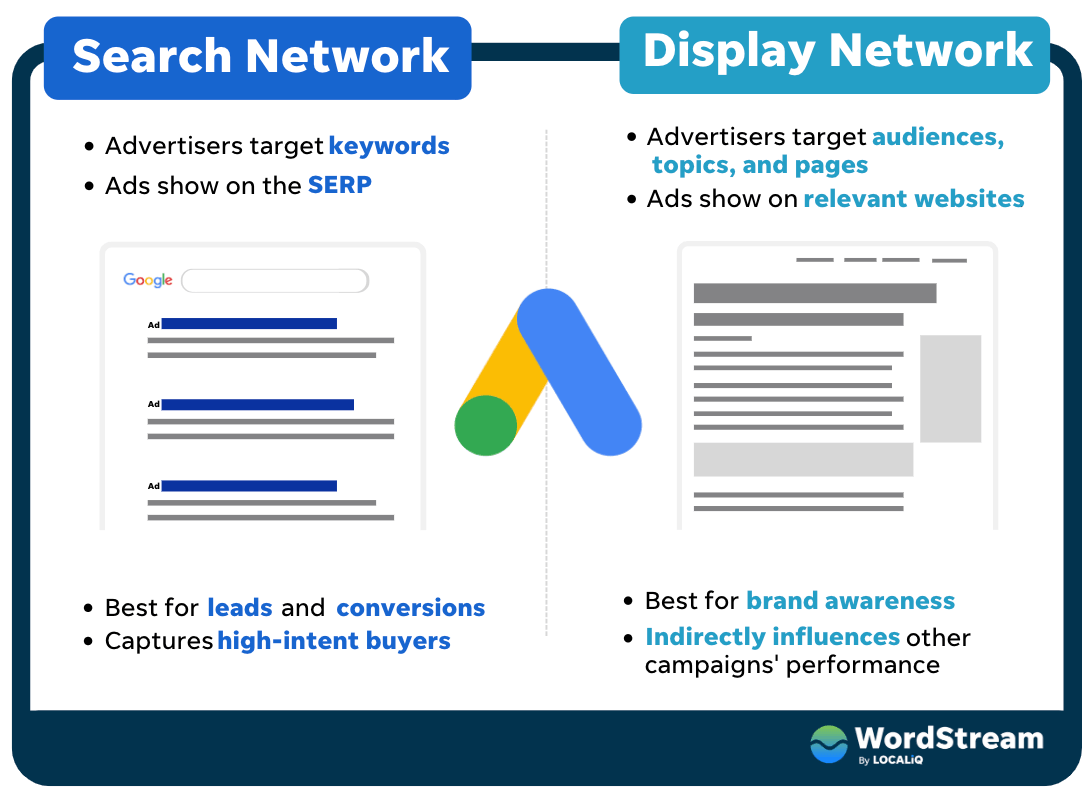
Display ads are shown across websites, apps, and platforms, unlike search ads triggered by queries. This requires different keyword strategy — more contextual and visual — to align with audience browsing habits and site content.
2. Why Keyword Research Matters for Display Campaigns
- Determines where and when your ads show
- Improves contextual relevance and visibility
- Boosts click-through and conversion rates
- Enables budget efficiency through negative keywords
3. The Perplexity & Burstiness of Keyword Research
Perplexity refers to complexity in user behavior and keyword diversity. Burstiness is about making keywords impactful without being chaotic. Together, they guide you to balance reach with precision.
4. When to Build Your Keyword List
4.1 At Campaign Planning Phase
Research and create your keyword list early while planning goals, placements, creatives and audience segments.
4.2 Pre-Launch Auditing & Setup
Organize keywords into themes/ad groups and define negative keywords before launching.
4.3 After Initial Campaign Run
Use real data (first 7-14 days) to refine your keyword list for optimal performance.
5. Steps to Building an Effective Keyword List
- Industry Research: Understand your market and use tools to find relevant terms.
- Competitor Analysis: Spot keyword gaps from your competitors.
- Broad + Niche Keywords: Start wide, narrow for precision.
- Long-Tail Keywords: Specific phrases lead to better engagement.
- Negative Keywords: Avoid irrelevant clicks.
- Structured Ad Groups: Keep themes tight and relevant.
6. Adapting to Seasonal Trends & Continuity
- Integrate seasonal keywords ahead of campaigns
- Use evergreen terms for year-round performance
- Review keywords quarterly or monthly
7. Regularly Updating & Optimizing the Keyword List
Continuously track keyword performance and refine your list using placement reports, CTRs, and conversion data.
8. Overcoming Challenges in Building a Keyword List
Avoid broad-only targeting, update seasonally, and always include negative keywords. Mistakes offer valuable insights for refining future strategies.
9. The Human Touch: Balancing Automation with Insight
Leverage tools, but keep human intuition alive. Align keywords with ad messaging for maximum performance synergy.
10. Conclusion
A keyword list for Display Network campaigns is dynamic. Build early, refine often, and combine strategy with creativity to stay effective in the ever-changing advertising landscape.
FAQs
Q1: How often should I update my keyword list?
A: Monthly is ideal; adjust seasonally or when data indicates.
Q2: Can I only use broad keywords?
A: No. Use a mix including niche and long-tail for better targeting.
Q3: What are good tools for keyword optimization?
A: Google Keyword Planner, SEMrush, Ahrefs.
Q4: What’s the role of negative keywords?
A: To block irrelevant traffic, preserve budget and boost engagement.
Q5: Should I automate keyword selection?
A: Use automation for scale but always add manual insight.