Luxury ecommerce does not sell only through products. It sells through confidence. The feed has to support that confidence before the click.
For high-ticket products, vague titles and weak product data create hesitation. A buyer may like the item, but the ad has not earned enough trust to win the next action.
 audit mapFeedShopping feed optimization
Real screenshots behind the recommendation
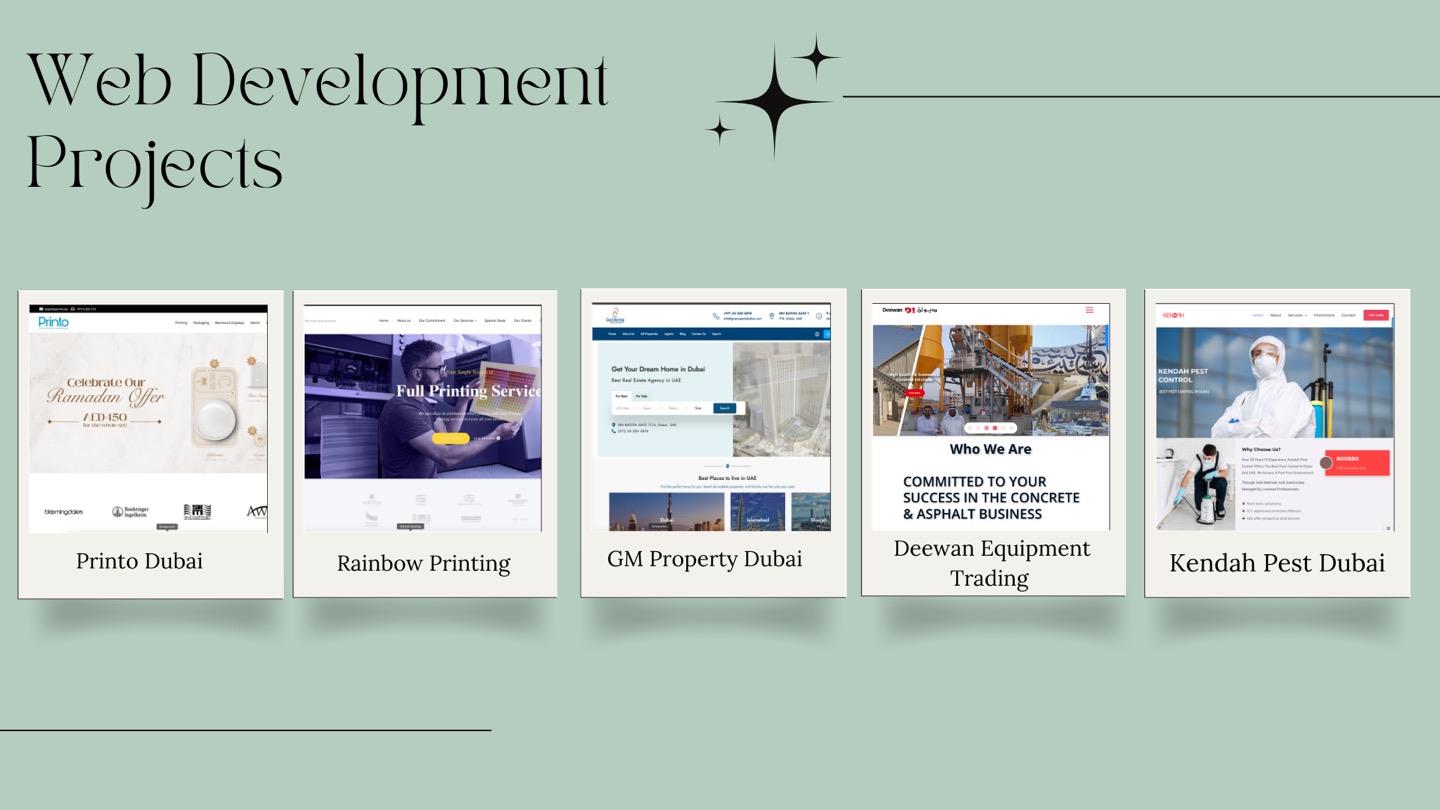
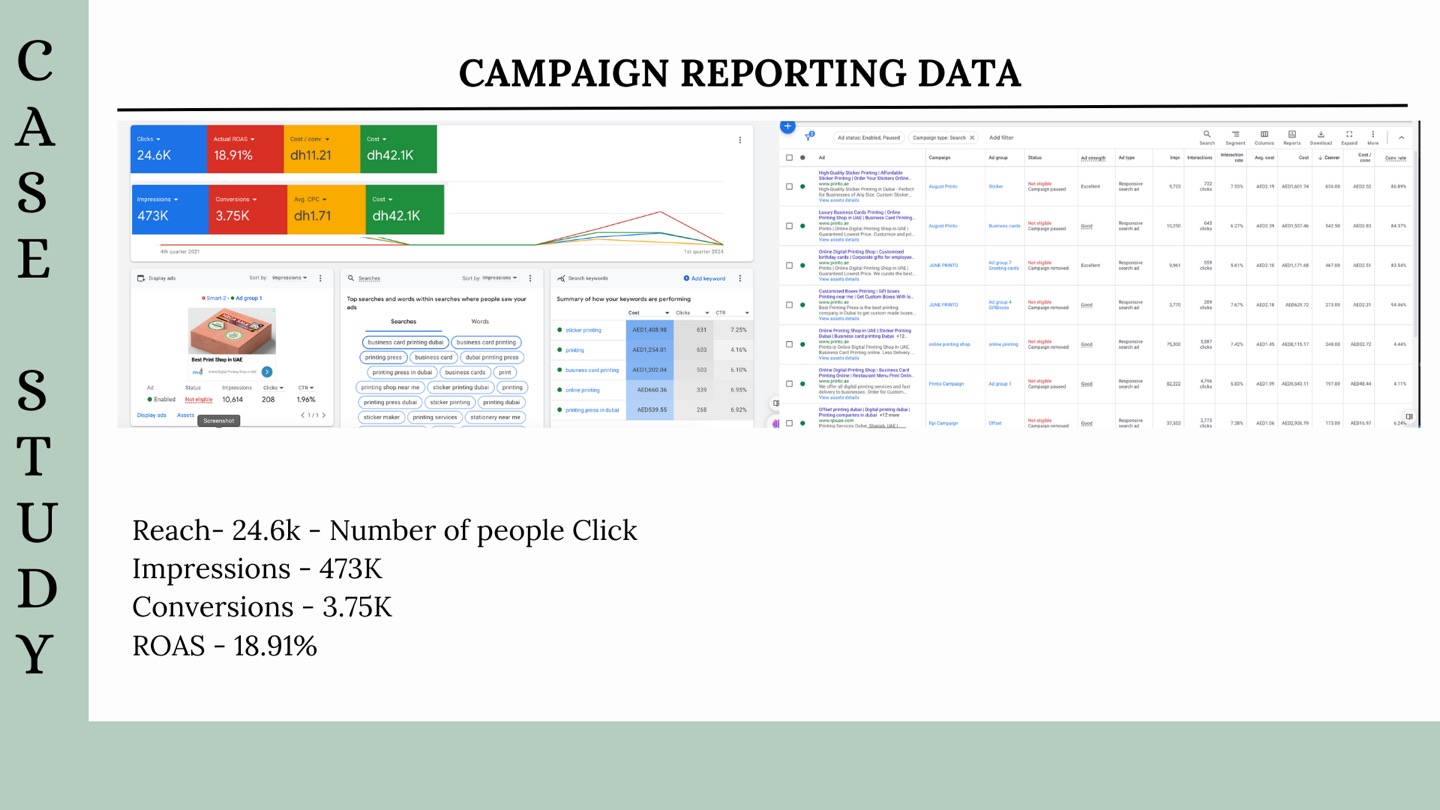
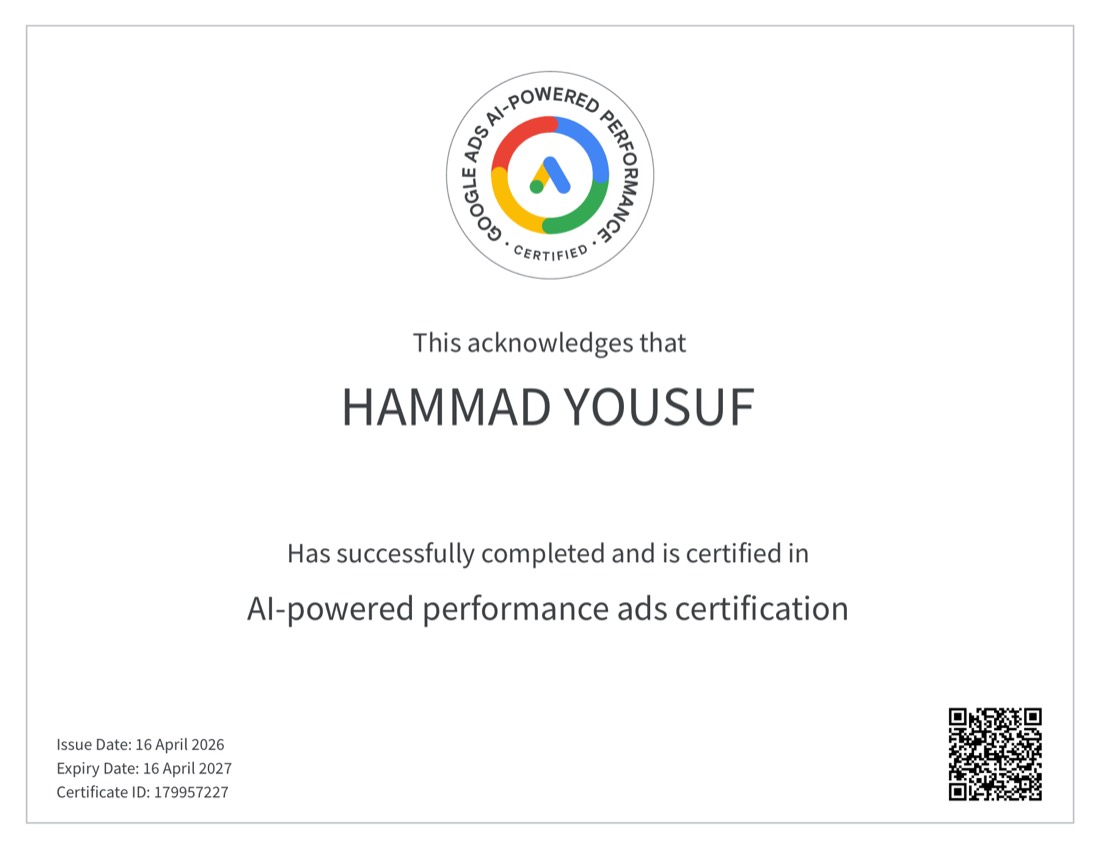
These are not stock visuals. Each image is pulled from Hammad Yousuf portfolio proof, campaign slides, certificates, or profile assets, then framed to support the logic of the article.
Ecommerce proofLuxury ecommerce needs product confidence, feed hygiene, brand protection, and landing-page trust before spend scales.
 Budget model
The planning model translates channel roles into a controlled monthly range before aggressive Performance Max or Meta scaling.
 Platform skill
Automation only helps when the feed, conversion data, creative signals, and retargeting path are already clean enough to learn from.
How the Ossloop paid-media logic fits this topic
For Ossloop-style growth, I model the account before I push spend: product economics, channel roles, shopping feed quality, Performance Max readiness, Meta retargeting, and landing-page trust. The working budget model used a practical AED 730-1,420 daily media framework, which translates into a controlled AED 21.9K-42.6K monthly planning range before aggressive scaling.
This is the type of thinking I want inside the blog content: not random advice, but a chain from budget to channel role to measurement to decision.
Where I start the audit
I start with the business result, then work backward into the campaign. That keeps the review grounded. A clean account is useful only if it helps the founder understand spend, lead quality, revenue risk, and the next action.
For a topic like Shopping feed optimization, the first question is not whether the setup looks modern. The first question is whether the setup can produce decisions a real team can trust.
Metrics only matter when they create a decision
The daily range gives the test enough room to learn without turning the first month into a blind spend push.
Workstreams prevent channel confusion: brand search, category search, PMax, catalog, remarketing, and creative all need roles.
Luxury buyers need extra trust before checkout, so product proof and landing-page confidence affect paid media performance.
How I would apply this in a real account
The checks that matter most
- Write product titles around buyer language, not internal naming.
- Keep brand, condition, and category data consistent.
- Use clean product images that reduce uncertainty.
- Review disapprovals before judging Shopping performance.
- Match feed structure with campaign structure.
signal flowFeedShopping feed optimizationThe logic behind the recommendation
How I would turn this into execution
Audit the current state around Shopping feed optimization, then separate real buyer signal from reporting noise.
Create the smallest useful fix: campaign split, landing-page block, tracking cleanup, SEO section, or dashboard view.
Turn the plan into product-feed cleanup, PayPal-ready checkout checks, retargeting logic, and trust proof around high-intent products.
What I would not overcomplicate
I would not rebuild everything on the first day. I would protect what is already working, isolate the weakest signals, and fix the parts that are making the account learn from the wrong behavior.
Most improvements come from simple, disciplined work: clearer structure, cleaner tracking, stronger landing pages, better proof, and reporting that says what changed and why it matters.
Where this connects on my site
I use blog posts to support the commercial pages, not to sit alone. If this topic is relevant to you, the next useful step is usually a service page, proof page, product resource, or booking page.
result boardFeedShopping feed optimizationThe decision I want by the end
By the end of the review, the founder should know what to scale, what to pause, what to test, and what needs better data before more budget goes in. That is the difference between activity and strategy.
If you are comparing options, save this post and use it as a working checklist. A calm account review now is usually cheaper than guessing after spend has already gone up.